Premium Storage Container Pools For Sale
in Atlanta, GA
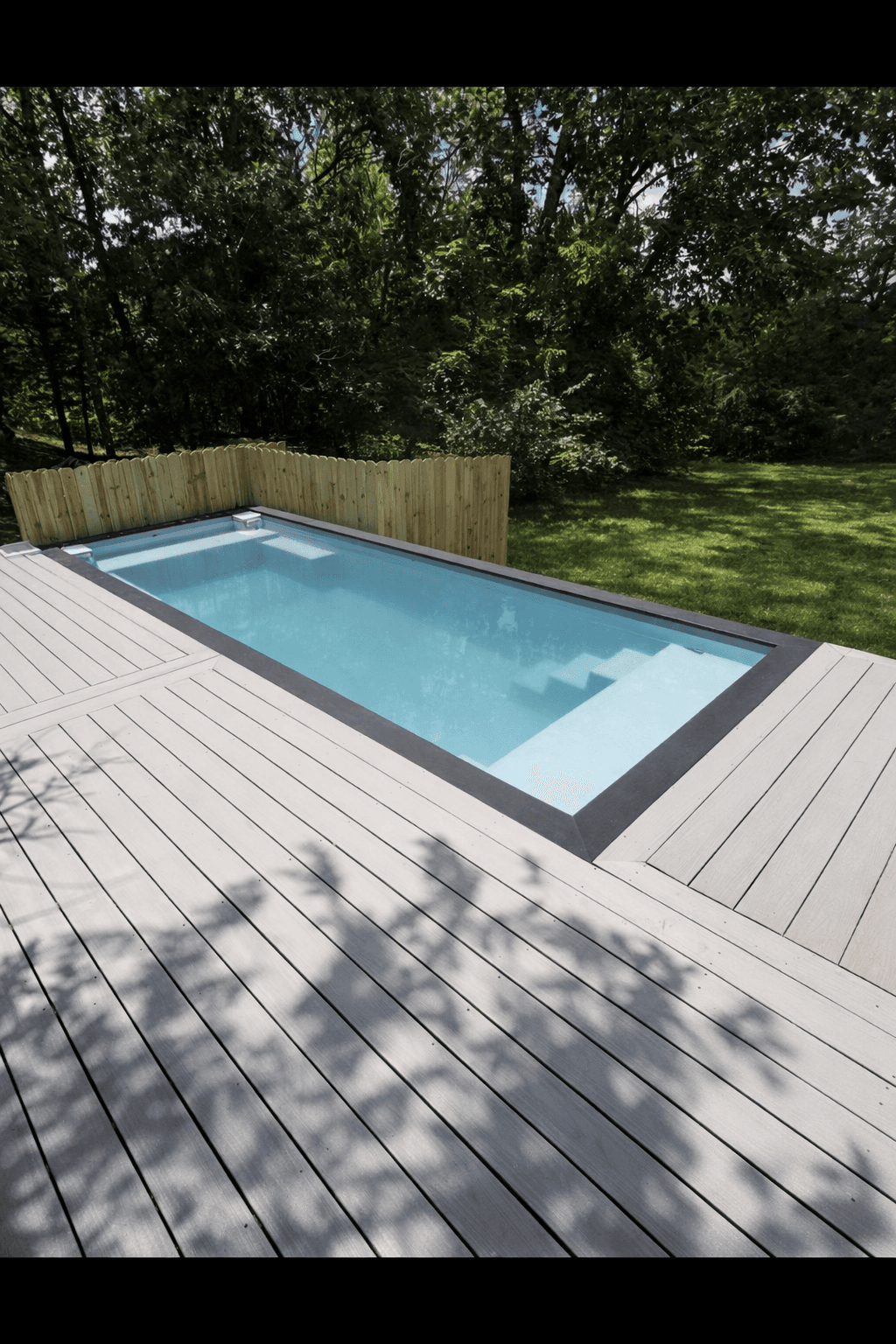
Transform your Atlanta, GA property with a premium container pool. Two sizes available: 20ft from $46,440, 40ft with tanning ledge $68,790. Install above ground, in-ground, or partially buried.
Get Your Free Quote
We'll respond within 24 hours.
Storage Container Pools For Sale in Atlanta, GA
Manufactured, shipped, and delivered to your location
Why Midwest Container Pools is Perfect for Atlanta
Atlanta, GA is an ideal location for a premium container pool. Our pools are engineered for durability and designed for Atlanta, GA homeowners who want quick installation, minimal maintenance, and year-round enjoyment.
Whether above ground, in-ground, or on a rooftop in Atlanta, our complete package arrives ready for installation. We ship nationwide and connect you with trusted local installers.
Complete Package, Zero Surprises
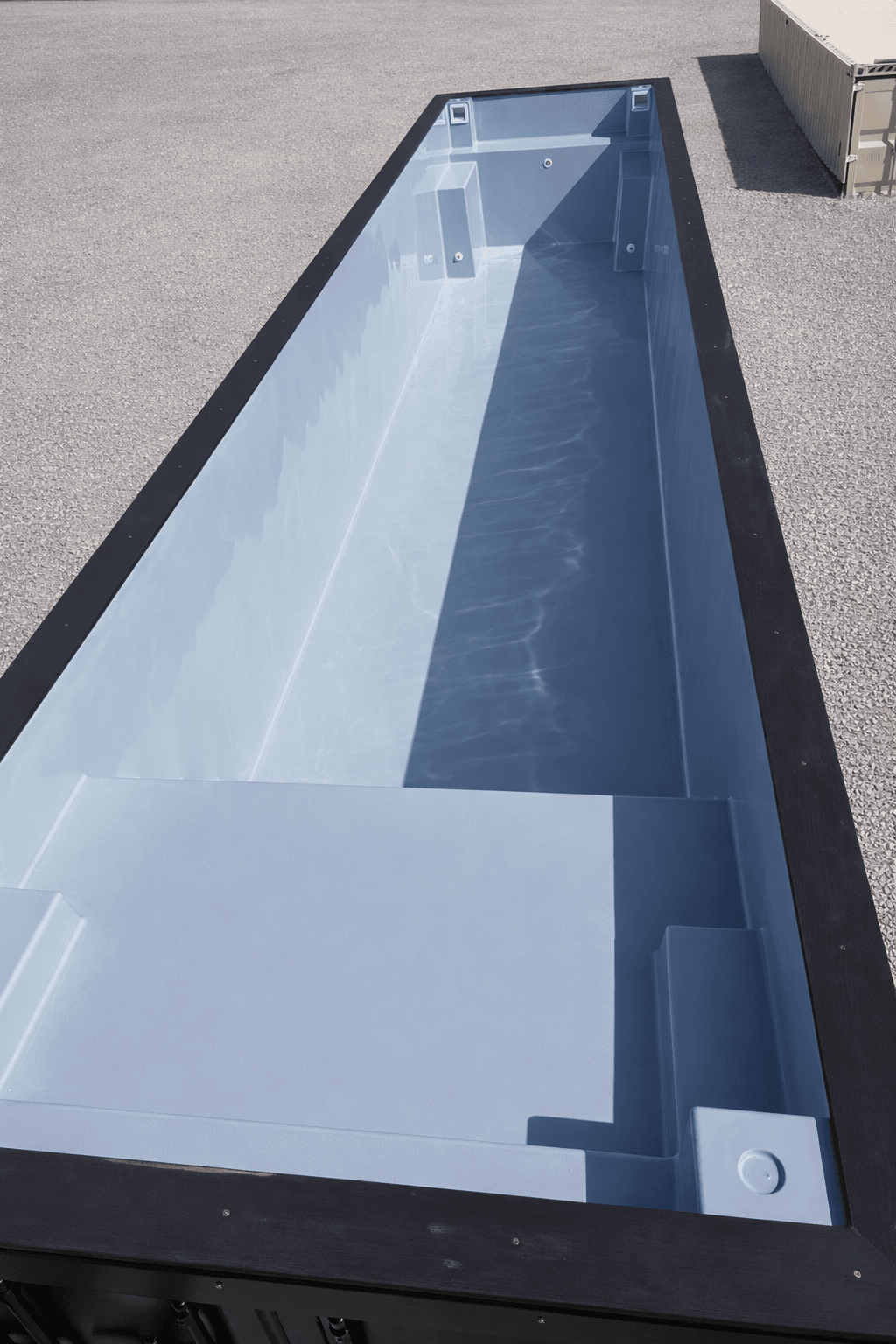
Fiberglass Interior
Smooth, algae-resistant surface for minimal maintenance
Reliable Pump System
Single speed pump — simple, dependable, and easy to maintain
LED Lighting
Color-changing lights with smartphone control
Pentair Equipment
Industry-leading filtration and accessories
See Why Atlanta Homeowners Choose Container Pools
Our pools combine industrial-grade steel construction with a smooth fiberglass interior. The result? A pool that installs in hours, not months, and lasts a lifetime. Every unit ships complete with premium Pentair equipment, LED lighting, and smart controls.
Three Ways to Install in Atlanta
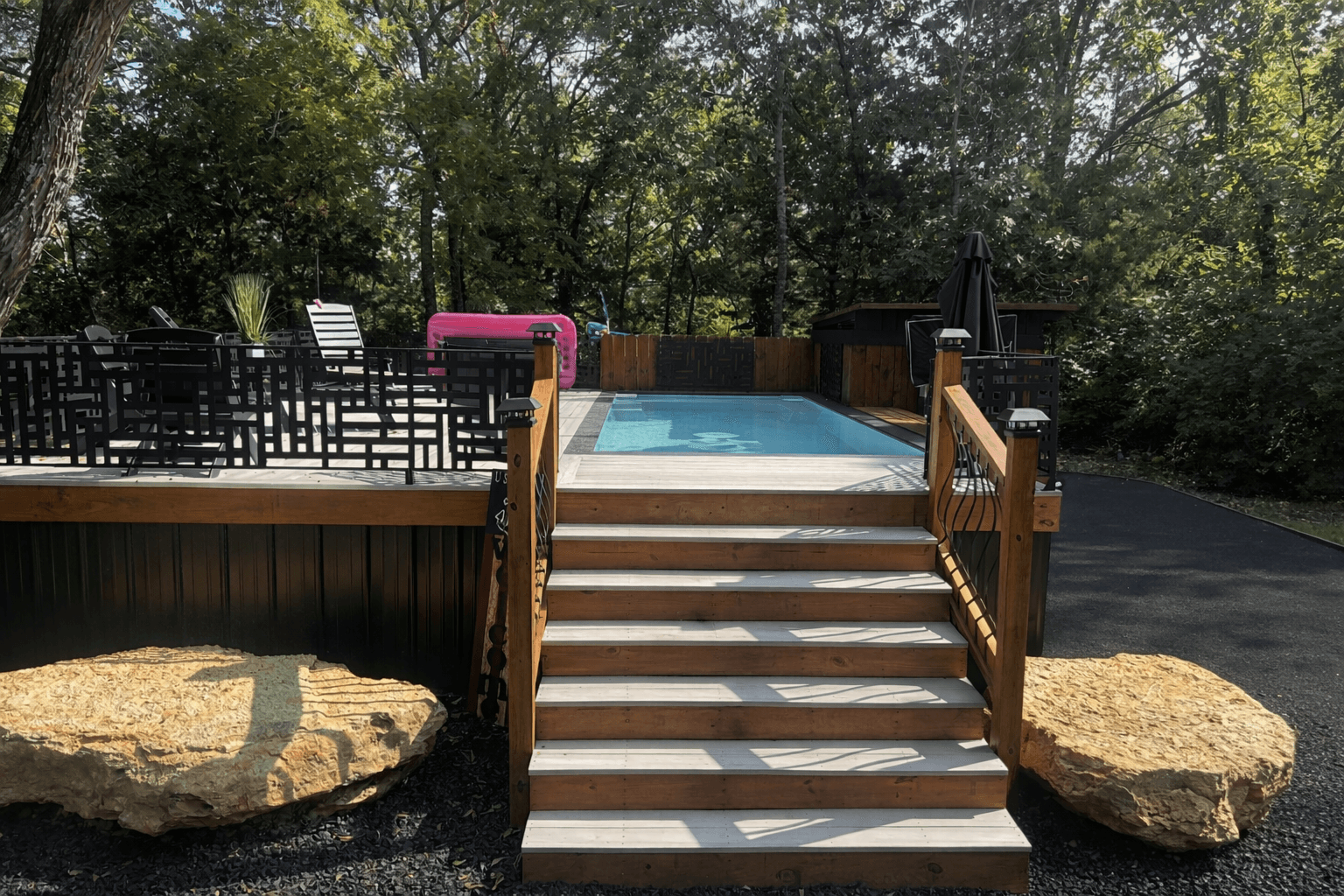
Above Ground
Quick plug-and-play on any level surface.
- No excavation
- Immediate setup
- Easy relocation
- Lowest cost
In-Ground
Classic pool look integrated into your landscape.
- Traditional appearance
- Property value boost
- Custom decking
- Permanent install
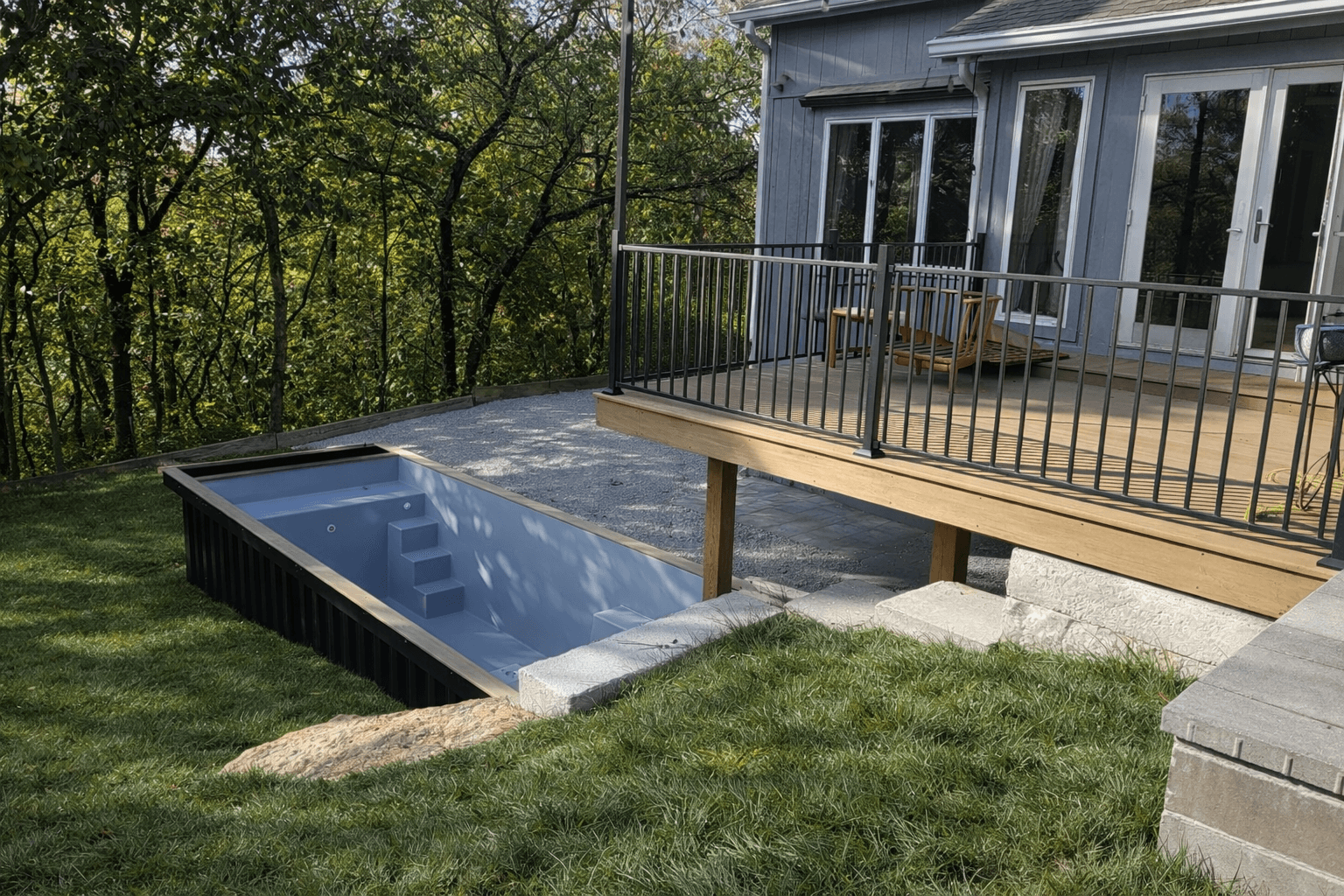
Partially Buried
Ideal for slopes and unique designs.
- Works on slopes
- Unique aesthetics
- Flexible design
- Great drainage
Trusted Nationwide — Delivering to Atlanta
5-Year Structural Warranty
Every pool is backed by a 5-year warranty on the steel container, fiberglass interior, and foam insulation — one of the strongest guarantees in the industry.
4–6 Week Order-to-Swim
Traditional pools take 3–6 months. Our container pools are delivered within 4–6 weeks and you can swim the same day it arrives.
Pentair Pro Equipment
Every pool includes a Pentair single speed pump, cartridge filter, LED lighting, bubbler, skimmer, and smart controls — all tested before shipping.
95%+ Heat Retention
Our vacuum-infused fiberglass shell and high-density foam insulation create an energy-efficient container pool, cutting heating costs.
Planning a Container Pool in Atlanta, GA
If you are pricing storage container pools for an Atlanta yard, the pool itself is the easy part. The decisions that shape cost and timeline are how the City of Atlanta's Office of Buildings handles pool permits, whether your lot's trees trigger an arborist review, and how a 20-foot steel shell sits on sloping red clay. This page walks through each of those for addresses inside the city limits, with links to the city's own guidance.
How the Office of Buildings handles pool permits
Residential pool permits in the city are issued by the Department of City Planning's Office of Buildings, and applications are submitted electronically through the Accela Citizen portal. For a residential pool, the city asks for architectural, structural and site plans.
Who can file depends on those drawings. The homeowner may submit the application if the documents are stamped and sealed; if they are not, the contractor must submit it.
Since January 2, 2025 the Office of Buildings requires every pool to be permitted separately from any other application at the same address — a pool house, retaining wall or new home cannot share the pool's permit. Pools get their own trade permits, trade inspections, erosion and site inspections, and building inspections. If you are planning a container pool with a retaining wall on a sloped lot, expect two applications, not one.
For permit submissions in 2026 the city is enforcing the State of Georgia's newly adopted 2024 codes, including the 2024 International Swimming Pool and Spa Code with Georgia amendments.
Trees and the arborist meeting
Atlanta's tree canopy is one of the city's defining features, and it is regulated. Under Ordinance 25-O-1341, effective June 25, 2025, any applicant whose project may affect trees must schedule and complete a meeting with the Arborist Plan Review staff before submitting a permit application.
For a container pool the key variables are where the crane sets up, where the delivery truck parks, and whether any excavation or pad work encroaches on root zones. An above-ground install on a gravel or concrete pad usually disturbs far less ground than a dug pool, which can simplify that conversation, but it does not remove the requirement if trees could be affected.
Red clay, slopes and drainage
Georgia red clay holds water and many intown lots slope toward the street or toward a creek. A container pool weighs roughly 9 tons when filled, but because that load spreads over the full base it exerts less than 1 PSI on the ground. What clay punishes is poor drainage, not weight — so the base matters more than the pool. Our spec sheet recommends 4 inches of compacted gravel; a concrete pad or concrete footings also work.
On sloping lots, partial burial is a natural fit: set the uphill side into grade, leave the downhill side exposed and finished with your choice of exterior. That usually means a retaining wall, which in Atlanta is its own permit. A full in-ground install is possible, but it adds excavation, haul-off and erosion control that the Office of Buildings inspects separately.
Whatever the layout, direct downspouts and surface runoff away from the shell and the equipment pad.
Humidity and weekly care
Atlanta's long, humid summers are good for swimming and good for algae. The pool's interior is vacuum-infused fiberglass — the same process used for boat hulls — which leaves a smooth, non-porous surface that resists algae better than plaster. In practice that means weekly brushing, a chemistry check and emptying the skimmer basket rather than constant scrubbing.
Pollen season in spring coats everything in yellow dust; a cover is the simplest way to keep it, and leaf fall from the canopy, out of the water. The cartridge filter needs no backwashing — you rinse the cartridge instead.
The swim season here runs well beyond the Upper Midwest's. The foam insulation between the steel and the fiberglass retains 95%+ of the heat you put in, so an optional heat pump ($4,656 on our pricing page) or gas heater ($3,154) is efficient for stretching into spring and fall.
Buying and delivery from Kansas
The pools we sell are built in Leavenworth, Kansas — roughly 697 miles in a straight line from central Atlanta. We arrange delivery through shipping companies at cost, without markup, and pools are typically delivered within 4 to 6 weeks of payment.
A standard crane places the pool using four built-in corner castings, typically $300–$800 depending on location. On intown streets in neighbourhoods like Virginia-Highland or Grant Park, check for overhead lines, on-street parking restrictions and the route from the truck to the pad before you book.
The 20-foot package is $46,440 and the 40-foot model with tanning ledge is $68,790. Both include the fiberglass interior, filtration with pump, two skimmers and two returns, LED lighting, composite decking around the edge, a customizable exterior, a 5-year structural warranty and a 3-year equipment warranty. Atlanta-specific costs to plan for are permits, any arborist-driven changes, erosion control, crane time and a dedicated 30 amp GFCI circuit.
Outside the city limits
Many 'Atlanta' addresses are actually in unincorporated Fulton, DeKalb, Cobb or Gwinnett County, or in cities like Sandy Springs, Decatur or Brookhaven. Each of those has its own building department and its own tree rules. Confirm your jurisdiction before you assume any of the City of Atlanta process above applies.
Utilities, digging and filling in Atlanta
Georgia law requires you to contact Georgia 811 before digging, which covers pad excavation, footings and the trench for the electrical feed. Most city homes are served by Georgia Power; its service drop and any overhead lines along the street or rear easement shape where the crane can set up.
Water and sewer inside the city come from the Department of Watershed Management. The 20-foot pool takes about 4,800 gallons; a garden hose works, or a water truck can fill it in about 30 minutes, which also avoids tying up an outdoor spigot for most of a day.
Because the Office of Buildings inspects erosion and site work separately for pools, keep silt fencing and any spoil from pad prep under control from the first day of work, not just before inspection.
A realistic Atlanta project sequence
1) Confirm your address is inside the City of Atlanta, not an adjacent city or county. 2) If any tree could be affected by the crane, truck, pad or trenching, book the arborist meeting first — it has to happen before you submit. 3) Prepare architectural, structural and site plans; stamped and sealed plans let you file as a homeowner. 4) Submit the pool permit on its own through Accela, and any retaining wall or pool house separately. 5) Order the pool; delivery is typically 4 to 6 weeks after payment. 6) Base, electrical rough-in, crane day, fill. 7) Trade, site and building inspections as the city schedules them.
Most of the calendar risk in Atlanta sits in steps 2 to 4, so start the paperwork before you finalise colours and decking.
20-foot or 40-foot on an Atlanta lot
The 20-foot container is 20 by 8 feet outside; the 40-foot version with its tanning ledge is twice the length. On a typical intown lot the deciding factor is rarely the yard's total area — it is how much flat, tree-free ground you have once root zones, the slope and the crane path are accounted for. A 20-foot shell fits between mature hardwoods far more easily, and a smaller footprint can mean less disturbance to discuss in the arborist meeting.
The 40-foot model makes more sense on larger, flatter lots in neighbourhoods further out, or where you want the built-in tanning ledge and steps for lounging rather than a compact plunge. Because it is longer, it is also harder to partially bury on a slope without a taller retaining wall — and in Atlanta that wall needs its own permit.
Whichever size you choose, mark the outline on the ground with stakes and string before you draw plans. Walking around a 20-by-8 or 40-by-8 rectangle in your actual yard answers most layout questions quickly.
Common Atlanta questions
Buyers here often ask whether a container pool counts as a 'real' pool for permitting. In the City of Atlanta it does — it is submitted to the Office of Buildings as a residential pool with architectural, structural and site plans, just like any other.
Another frequent question is whether an above-ground install avoids the arborist step. It avoids most digging, but the requirement is triggered by whether trees may be affected, which includes crane outriggers, truck access and pad work — so assume the meeting applies if large trees are near the work area.
Sources (reviewed 2026-10-26)
- City of Atlanta – Office of Buildings
- ATL311 – Swimming pool permit requirements
- City of Atlanta – Updated policy for pool construction permits (PDF)
- City of Atlanta – Obtain a building permit
Local rules change. Confirm current requirements with your building department before you order or install.
Storage Container Pools For Sale Questions in Atlanta, GA
Get Your Free Quote for Atlanta, GA
Tell us about your project and we'll get back to you within 24 hours.